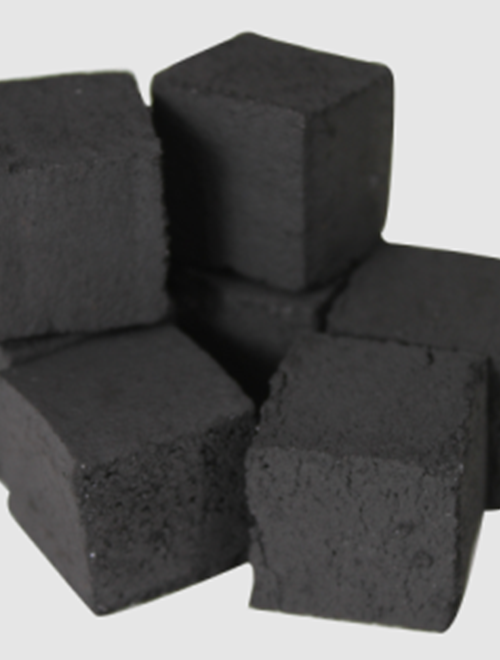
Charcoal flavored cooking remains a preferred method for achieving authentic barbecue taste profiles worldwide. The interaction between steady heat and natural smoke creates distinctive flavor characteristics. Professional chefs value consistency when delivering premium grilled food experiences. International distributors prioritize stable combustion performance when sourcing fuel products. Reliable briquette manufacturing ensures predictable results across retail and hospitality sectors. Consistent quality strengthens competitiveness within global barbecue equipment markets.
Why Charcoal Flavored Results Matter in BBQ Markets
Charcoal flavored results strongly influence consumer perception of authenticity and product quality. Balanced smoke infusion enhances aroma depth during professional grilling sessions. Compared to gas alternatives, charcoal based cooking provides richer sensory characteristics. Even heat distribution allows chefs to control caramelization and achieve improved texture outcomes. These benefits drive stronger demand across commercial and residential barbecue communities. Premium dining establishments emphasize authentic smoke profiles to differentiate their brands effectively.
Charcoal Flavored Performance and Heat Control
Controlled airflow management maintains optimal combustion temperature throughout cooking sessions. Stable briquette density ensures consistent smoke output without sudden heat fluctuations. Low moisture content improves burning efficiency and reduces excessive smoke emissions. Many professionals evaluate charcoal briquettes flavor consistency during extended grilling processes. Minimal ash residue prevents unwanted taste contamination in delicate food preparations. Reliable combustion stability enhances user confidence in high volume kitchen operations.
Production Factors Influencing Charcoal Flavored Quality
Raw material selection significantly affects combustion purity and overall smoke character. Proper carbonization techniques reduce moisture while increasing heat efficiency levels. Uniform briquette shaping ensures predictable burning performance across production batches. Low impurity levels help maintain clean smoke output during food preparation. Strict quality control procedures support compliance with international export standards. Reliable packaging systems protect product integrity during long distance shipment.
Sustainable Materials Supporting Charcoal Flavored Cooking
Many manufacturers utilize coconut shell as a renewable and durable fuel source. Sustainable sourcing practices strengthen brand credibility within environmentally conscious markets. Efficient resource management reduces production waste during large scale operations. Responsible manufacturing systems encourage long term cooperation with global distributors. Eco friendly initiatives align with modern sustainability expectations in barbecue industries.
Global Demand for Charcoal Flavored BBQ Solutions
Demand for charcoal flavored cooking solutions continues expanding across North America and Europe. Importers prioritize scalable production capacity and dependable supply chain systems. Private labeling programs create additional value for regional distributors entering competitive markets. Consistent product standards strengthen buyer confidence in long term purchasing agreements. Reliable smoke performance supports cooperation between manufacturers and international wholesalers. Growing outdoor dining trends contribute to sustained expansion in global barbecue sectors.
Strategic Export Value of Charcoal Flavored Products
Charcoal flavored fuel solutions represent authenticity, reliability, and strong market differentiation. Structured production systems support consistent performance across international distribution networks. Export oriented suppliers benefit from maintaining rigorous inspection and packaging standards. Strong logistics coordination enhances competitiveness within global barbecue industries. Professional sourcing strategies contribute to sustainable long term business growth.
